
Creating a home workspace that is both relaxing and productive can make a big difference in your workday. Whether you work remotely full-time or occasionally need a quiet spot to focus, setting up an environment that promotes comfort and concentration is key. Here are practical tips to help you design a workspace that supports your wellbeing and efficiency.
Choose the Right Location
Your workspace’s location has a major impact on your ability to focus and feel comfortable.
– Find a Quiet Spot: Look for a space in your home away from distractions like the television, kitchen, or busy living areas.
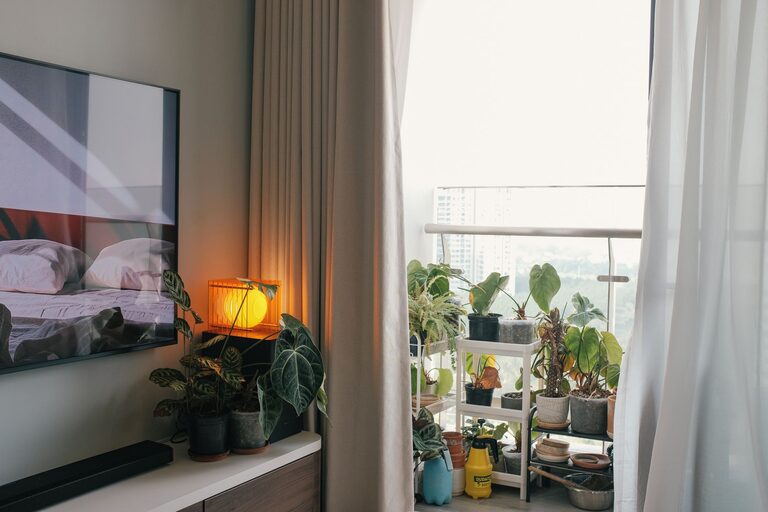
– Consider Natural Light: Position your desk near a window if possible. Natural light can improve mood and reduce eye strain.
– Adequate Space: Make sure the area is large enough to accommodate your desk, chair, and any equipment without feeling cramped.
Invest in Comfortable Furniture
Comfort is essential for long periods of work. Poor seating or desk height can lead to discomfort and reduced productivity.
– Ergonomic Chair: Choose a chair with good lumbar support and adjustable features so you can maintain good posture.
– Appropriate Desk Height: Your desk should allow you to type or write with your elbows at about a 90-degree angle.
– Footrest Option: If your feet don’t rest flat on the floor, consider a footrest to reduce pressure.
Organize Your Workspace Effectively
A tidy, clutter-free space helps reduce stress and distractions.
– Declutter Regularly: Remove unnecessary items from your desk. Keep only the essentials close at hand.
– Use Storage Solutions: Incorporate shelves, drawers, or organizers to keep paperwork and supplies neatly stored.
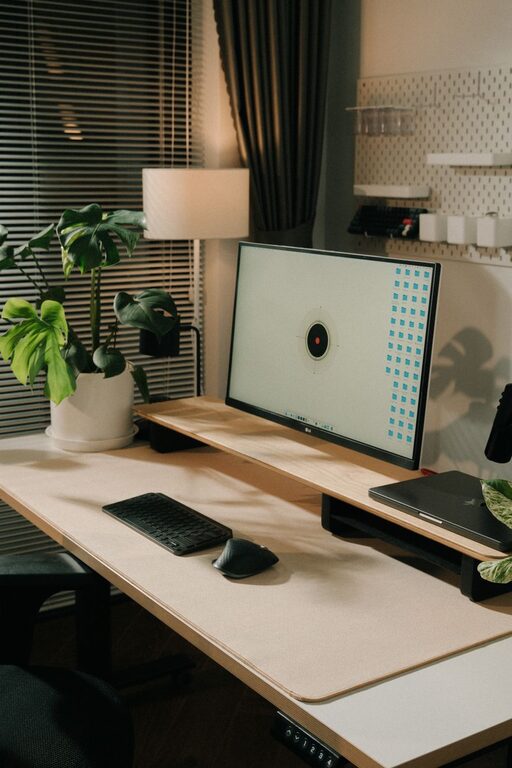
– Cable Management: Use clips or sleeves to keep cords under control and avoid tangling.
Personalize Without Overdoing It
Adding personal touches can make your workspace inviting but be mindful not to overcrowd it.
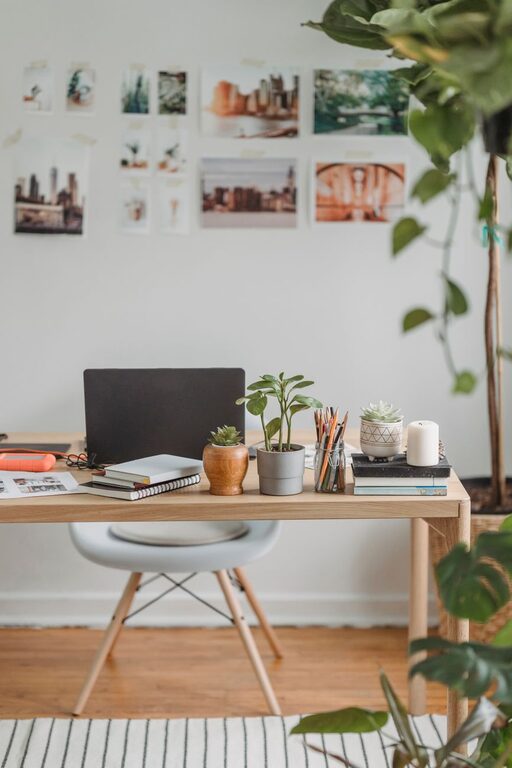
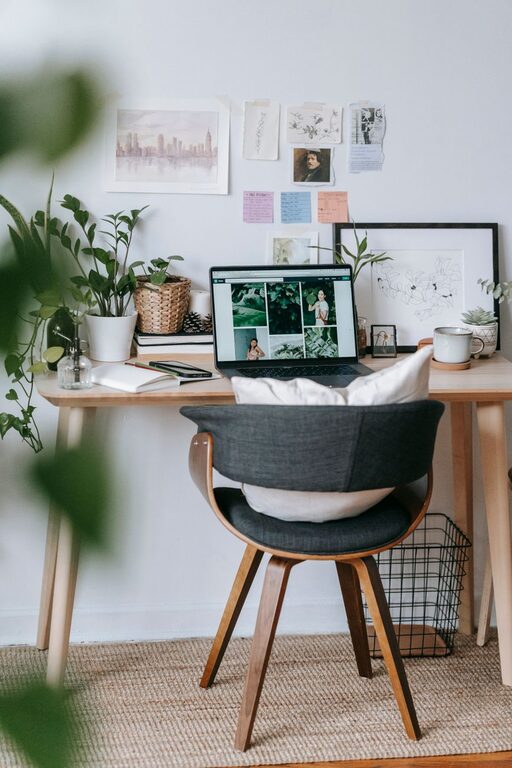
– Plants: Small, low-maintenance plants can improve air quality and add a calming natural element.
– Inspirational Items: Consider photos or artwork that motivate you, but avoid anything that might cause distraction.
– Colors: Use soothing colors, like soft blues or greens, to create a peaceful atmosphere.
Optimize Lighting
Proper lighting reduces eye strain and helps maintain alertness.
– Layer Your Lighting: Combine natural light with task lighting, like a desk lamp, for flexibility.
– Avoid Glare: Position screens perpendicular to windows if possible to prevent glare.
– Use Warm Light: Choose light bulbs with a warm or natural light tone to create a cozy feel.
Maintain Good Air Quality
Fresh air can boost concentration and comfort.
– Ventilation: Open windows regularly to circulate fresh air.
– Air Purifiers: Consider an air purifier if your space is poorly ventilated or if you are sensitive to allergens.
– Keep It Clean: Dust and clean your workspace to avoid buildup that could affect air quality.
Create a Routine and Boundaries
A relaxing workspace also depends on the habits you build around it.
– Set Work Hours: Establish clear start and end times to help separate work from personal life.
– Take Breaks: Use techniques like the Pomodoro method to include regular rest periods.
– Limit Distractions: Turn off non-essential notifications and use apps or techniques to maintain focus.
Add Comfort Features
Small additions can enhance your comfort and relaxation throughout the day.
– Warm Blankets or Cushions: Keep cozy items available for colder days or extra support.
– Noise Control: Use noise-cancelling headphones or white noise machines if you live in a noisy environment.
– Refreshment Station: Having water, tea, or snacks nearby can prevent unnecessary interruptions.
Regularly Refresh Your Workspace
To keep your workspace inviting and productive over time, make it a habit to refresh it.
– Rearrange Occasionally: Changing the setup can provide a mental refresh and prevent stagnation.
– Update Supplies: Restock essentials and replace worn-out items as needed.
– Adapt to Your Needs: As your work changes, adjust your workspace to fit new tools or routines.
—
Designing a relaxing home workspace is about balancing comfort and functionality. By paying attention to your environment, furniture, organization, and habits, you can create a space that helps you stay focused and comfortable all day long. Start with a few small changes and see how your productivity and wellbeing improve.
About the Author