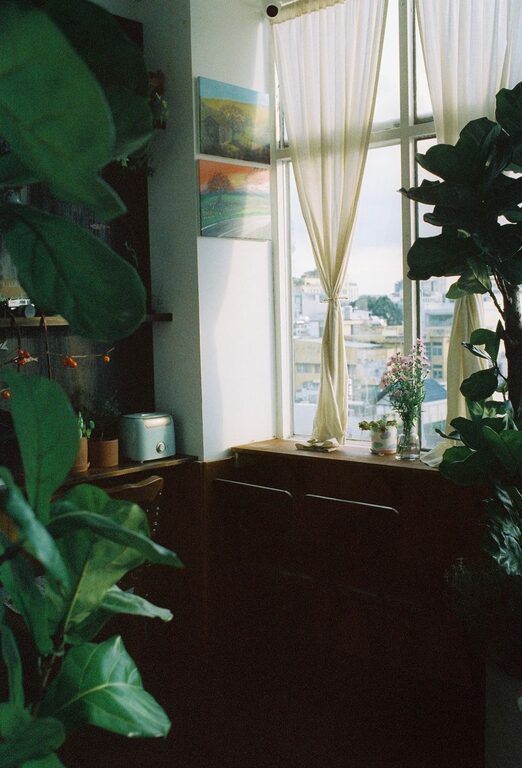
Creating a relaxing home environment can greatly enhance your overall well-being. Our living space plays a vital role in how we feel, recharge, and cope with daily stresses. When your home feels calm and inviting, it becomes easier to unwind, focus, and enjoy quality time with family or yourself.
In this post, we will explore practical tips to make your home a haven of peace and comfort. These ideas are easy to implement and perfect for anyone looking to create a space that supports mental and emotional balance.
Why a Relaxing Home Environment Matters
Your home is more than just a place to sleep and eat. It is where you spend a significant amount of time and should be a sanctuary from life’s pressures. A peaceful setting helps to:
– Reduce stress and anxiety
– Improve sleep quality
– Boost mood and mental clarity
– Promote mindfulness and relaxation
– Support healthy habits and routines
Start with Decluttering and Organization
A cluttered space can lead to a cluttered mind. Removing excess items and organizing your belongings sets the foundation for a calm environment.
Tips for Decluttering:
– Sort items into keep, donate, and discard piles
– Use storage solutions such as bins, shelves, and baskets
– Create designated zones for work, relaxation, and hobbies
– Regularly reassess and tidy your space
Keeping your home tidy makes it easier to relax and maintain a sense of order.
Choose Calming Colors and Natural Elements
Colors have a strong impact on mood. Decorating with soothing tones can foster relaxation and reduce tension.
Recommended Color Choices:
– Soft blues and greens for tranquility
– Warm neutrals like beige and taupe for comfort
– Gentle pastels for a light, uplifting feel
Incorporate natural elements such as wood furniture, stone accents, or indoor plants to strengthen the connection with nature and add calming textures.
Maximize Natural Light and Fresh Air
A bright, airy home encourages a positive atmosphere.
– Open curtains and blinds to let in daylight
– Use sheer curtains to filter light gently
– Position mirrors to reflect natural light around the room
– Open windows regularly for ventilation and fresh air
– Consider air-purifying plants like spider plants or snake plants
These steps improve air quality and create a more inviting, open space.
Create Relaxation Zones
Designate specific areas for unwinding to help your mind automatically switch into relaxation mode.
– Set up a cozy reading nook with comfy seating and good lighting
– Arrange a meditation or yoga corner with cushions and calming décor
– Keep entertainment areas free from work-related items
– Use soft rugs or blankets to enhance warmth and comfort
By defining these zones, you can better separate activities and reduce mental clutter.
Use Soothing Lighting
Lighting dramatically influences ambiance. Avoid harsh overhead lights in favor of softer options.
– Choose warm-toned bulbs rather than cool white
– Incorporate floor lamps, table lamps, or string lights
– Use dimmer switches to adjust brightness levels
– Add candles or salt lamps for gentle, calming light
Soft lighting helps lower stress and supports relaxation in the evenings.
Incorporate Pleasant Scents
Aromas can evoke positive feelings and calm the nervous system.
– Use essential oils with calming effects such as lavender, chamomile, or sandalwood
– Light scented candles or incense carefully and safely
– Simmer natural ingredients like citrus peels or herbs on the stove
– Use diffusers or potpourri to subtly fragrance rooms
Selecting scents you enjoy reinforces a soothing atmosphere.
Add Comfortable Textures and Soft Furnishings
Touch and texture influence comfort and security.
– Use plush pillows, soft throws, and cozy blankets on sofas or chairs
– Choose rugs with a soft pile to warm hardwood or tile floors
– Select bedding with breathable, natural fabrics like cotton or linen
– Incorporate tactile décor items such as woven baskets or knitted poufs
Creating a tactilely pleasant environment encourages physical and mental ease.
Limit Noise and Distractions
Sound impacts relaxation. Reducing noise pollution can help you feel calmer.
– Use heavy curtains or rugs to absorb sound
– Play gentle background music or nature sounds
– Employ noise-canceling devices if needed
– Keep electronic devices out of bedrooms or relaxation zones
A quieter home supports restful sleep and stress relief.
Maintain a Consistent Cleaning Routine
A clean home feels welcoming and can lower stress caused by mess.
– Develop simple daily, weekly, and monthly cleaning checklists
– Involve family members to share chores
– Use natural cleaning products for a fresher environment
– Celebrate small cleaning victories to stay motivated
Regular maintenance helps keep your space feeling fresh and revitalizing.
Personalize Your Space Mindfully
Finally, include personal touches that bring joy without adding clutter.
– Display meaningful photos or artwork
– Bring in souvenirs or items that inspire calm
– Rotate decorative pieces seasonally to keep things fresh
– Avoid overdecorating to preserve a peaceful atmosphere
Making your home uniquely yours ensures it remains a place you love coming back to.
—
Creating a relaxing home environment is an ongoing process that reflects your lifestyle and preferences. By combining these tips, you can transform your space into a sanctuary that supports your well-being every day.
Remember, small changes can make a big difference. Start with one or two ideas, observe how it impacts your mood, and build from there. Your home can truly become your peaceful retreat.
About the Author