Creating an inviting and functional home office is essential for those who work remotely or simply need a dedicated space for personal projects. A well-designed workspace can boost your productivity, reduce stress, and make working from home a more enjoyable experience. Whether you have a small corner or an entire room to dedicate, these practical tips will help you create a home office that suits your needs and style.
Choose the Right Location
Start by selecting a spot in your home where you can focus with minimal distractions. Ideally, choose a quiet area away from high-traffic zones like the kitchen or living room. Natural light is a bonus, so a space near a window can improve your mood and energy throughout the day.
Consider Your Space Limitations
– Small Spaces: Use vertical storage, foldable furniture, and compact desks to make the most of a small area.
– Open Areas: Use rugs or room dividers to create a defined work zone, helping to separate work from leisure.
Invest in Ergonomic Furniture
Comfort is key when you spend hours working at a desk. Investing in ergonomic furniture prevents strain and enhances focus.
– Chair: Choose a chair that supports your back and encourages proper posture. Adjustable height and lumbar support are important.
– Desk: Select a desk sturdy enough for your equipment with enough surface area for writing or spreading out documents.
If possible, consider a sit-stand desk, allowing you to alternate positions and reduce fatigue.
Organize with Purpose
A clutter-free environment promotes clear thinking and efficiency. Use storage solutions that keep your supplies accessible but out of sight.
– Shelves and Cabinets: Store books, files, and equipment neatly.
– Desk Organizers: Keep pens, papers, and gadgets within easy reach.
– Cable Management: Use clips or sleeves to keep cords tidy and prevent tangling or tripping hazards.
Regularly declutter your office to maintain a smooth workflow.
Design for Inspiration and Calm
Your home office should be a place where you feel motivated and at ease.
– Color Choice: Light, neutral colors can create calmness, while accent walls or accessories in vibrant colors may boost creativity.
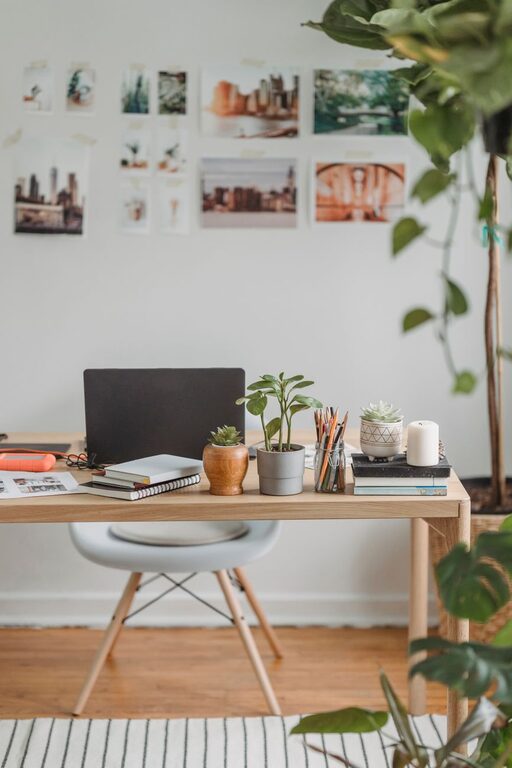
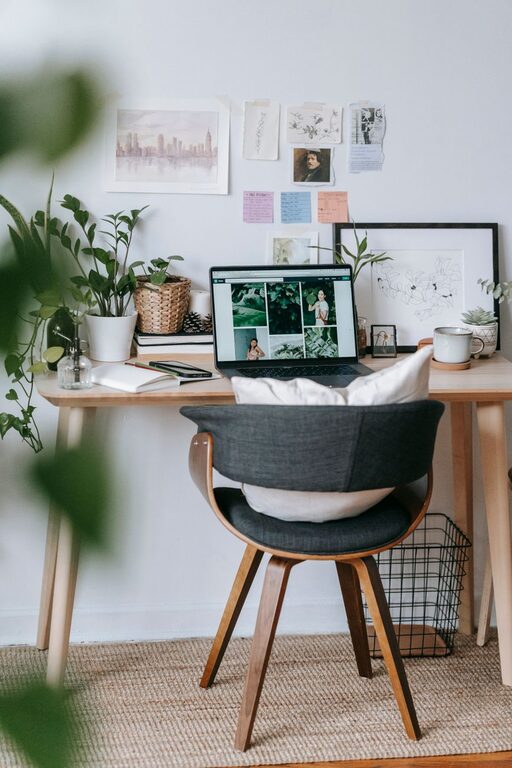
– Personal Touches: Add family photos, artwork, or plants to make the space uniquely yours.
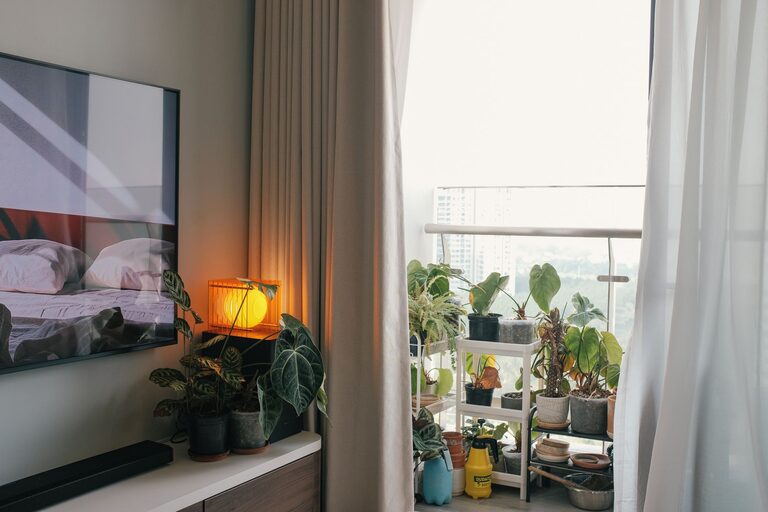
– Lighting: Combine natural light with layered lighting options such as task lights and ambient lamps to reduce eye strain.
Optimize Technology Setup
A functional home office relies on reliable technology tailored to your work.
– Internet Connection: Ensure a strong and stable Wi-Fi or wired connection.
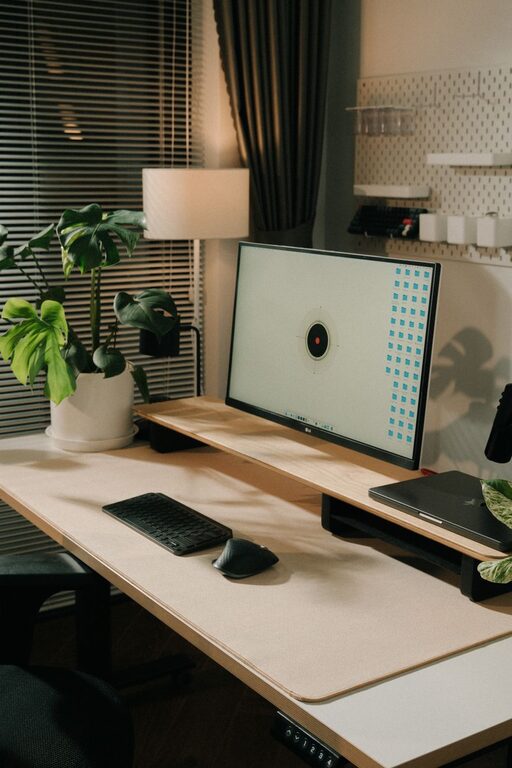
– Hardware: Use quality peripherals like keyboards, mice, and monitors to improve comfort and productivity.
– Software: Organize digital tools and apps to stay efficient and avoid tech-related frustrations.
Keep your devices updated and maintain a backup of important files.
Establish a Routine and Boundaries
Creating a dedicated workspace helps in setting work-life boundaries, but it’s equally important to develop a daily routine.
– Start your workday at consistent times.
– Use breaks to stretch or take short walks.
– End work by clearing your desk and shutting down devices to signal the end of the day.
If you share your home, communicate your schedule and workspace needs clearly to others.
Maximize Comfort with Accessories
Small additions can greatly improve your comfort.
– Footrest: Supports your legs and improves circulation.
– Noise-Canceling Headphones: Helps minimize distractions in noisy environments.
– Temperature Control: A fan or heater can keep the space at a comfortable temperature.
Keep It Flexible
Your work habits and needs may change over time. Opt for furniture and accessories that can adapt.
– Modular desks and shelving units.
– Multipurpose storage solutions.
– Adjustable lighting systems.
This flexibility will help your home office continue to serve you well in the long run.
—
Designing a home office that is inviting and functional doesn’t have to be complicated. By choosing the right location, investing in ergonomic furniture, organizing thoughtfully, and adding personal touches, you can create a space that supports both your productivity and well-being. Take time to personalize and optimize your workspace, and enjoy the benefits of working from a space that truly fits your needs.
About the Author