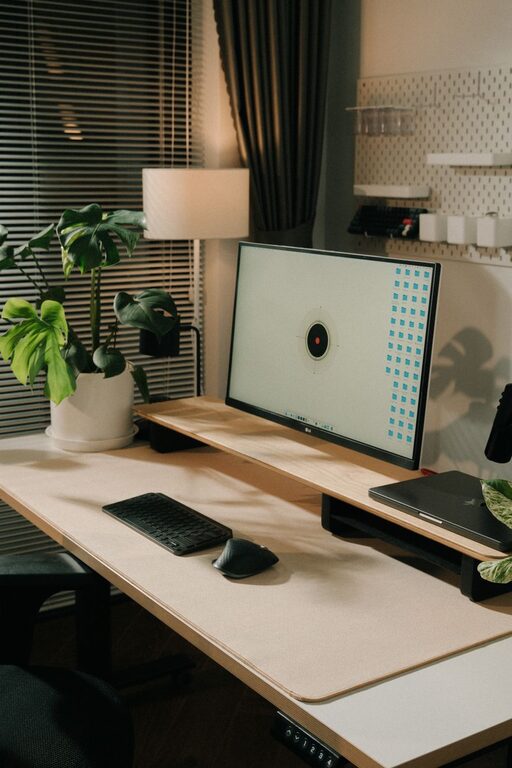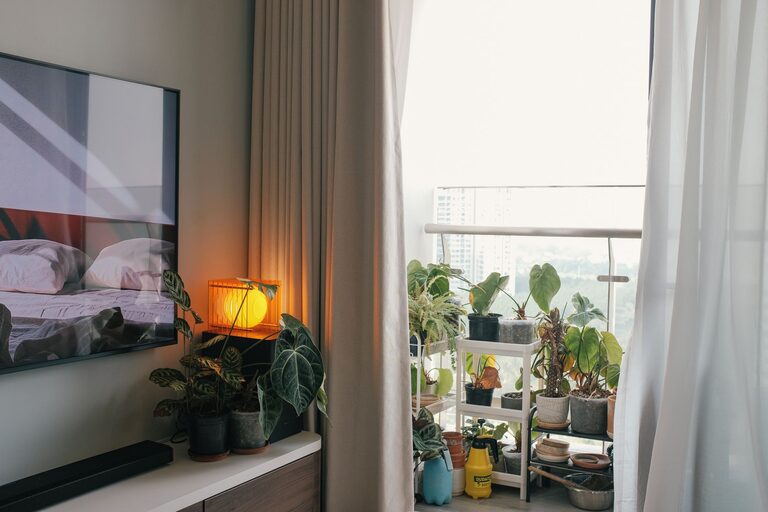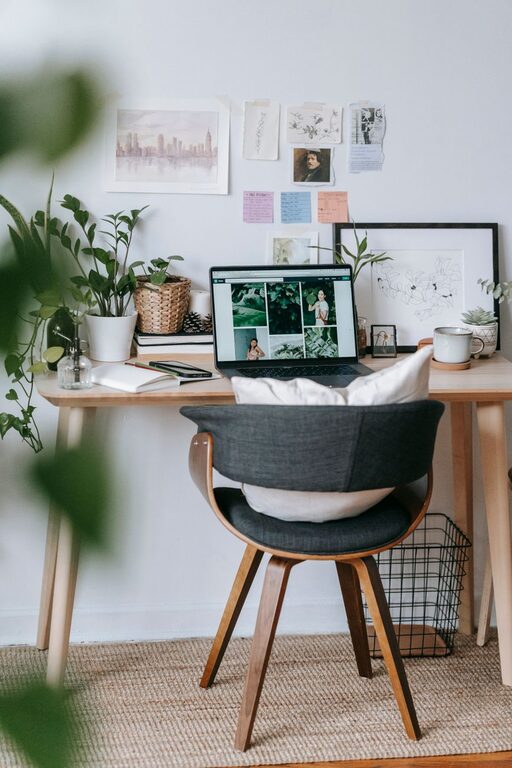
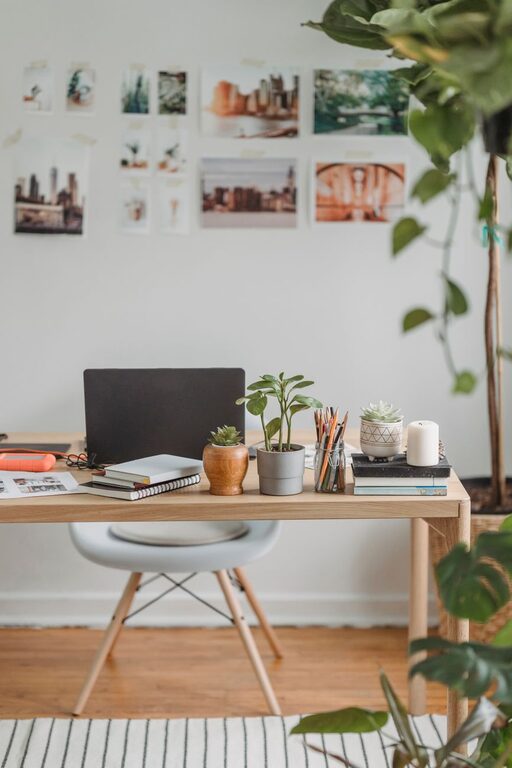
Creating a home workspace that balances productivity and relaxation is essential for anyone who works remotely or spends significant time at home on tasks. The right environment can help you stay focused, reduce stress, and maintain a healthy work-life balance. Here are some helpful tips to transform your home workspace into a comfortable and efficient area.
Choose the Right Location
Consider Natural Light and Quietness
Select a spot in your home that offers plenty of natural light, as it has been shown to improve mood and energy levels. Ideally, the space should be away from distractions like loud household activities or high-traffic areas.
Separate Work from Leisure Spaces
If possible, avoid working from your bed or couch. Establishing a dedicated area for work helps your brain recognize when it’s time to focus and when it’s time to relax.
Invest in Ergonomic Furniture
Comfortable Chair and Desk
Your chair and desk are at the heart of your workspace comfort. Choose an adjustable chair that supports your lower back and encourages good posture. A desk at the right height helps prevent strain on your wrists and shoulders.
Add a Footrest or Laptop Stand
Using accessories like a footrest can improve circulation, while a laptop stand raises your screen to eye level, reducing neck strain.
Keep Your Space Organized
Declutter Regularly
A tidy workspace reduces distractions and helps you concentrate on your tasks. Allocate time each day to put things away and clear surfaces.
Use Storage Solutions
Drawer organizers, shelves, and filing cabinets keep your materials in order and create an uncluttered environment.
Personalize Your Workspace
Add Plants or Artwork
Bringing in greenery or favorite artworks can make your workspace inviting and boost your mood.
Choose Colors Wisely
Colors influence your energy and creativity. Soft blues and greens promote calm, while pops of yellow or orange can inspire enthusiasm.
Manage Lighting Carefully
Combine Ambient and Task Lighting
Use a mix of general room lighting and focused task lamps on your desk to reduce eye strain and maintain a pleasant atmosphere.
Reduce Glare
Position your screen to avoid glare from windows or lights, or invest in an anti-glare screen protector.
Incorporate Relaxation Breaks
Schedule Short Breaks
Taking brief breaks every hour can prevent burnout. Use this time for stretching, deep breathing, or a quick walk.
Create a Mini Relaxation Zone
If space allows, set up a small area nearby with a comfortable chair or cushions where you can pause and recharge.
Minimize Digital Distractions
Set Boundaries for Device Use
Turn off unnecessary notifications or use apps that limit distractions during work hours.
Keep Only Necessary Devices at Your Desk
Avoid clutter by leaving unrelated gadgets out of your workspace.
Maintain Air Quality and Temperature
Ventilate the Room
Fresh air helps keep your mind sharp. Open windows regularly or use an air purifier.
Control Temperature
Ensure the room’s temperature is comfortable—not too hot or cold—to support concentration.
Establish a Routine
Start and End Your Workday Consistently
A structured schedule helps create a boundary between work and personal time.
Dress for Work
Wearing regular clothes, rather than pajamas, can mentally prepare you for a productive day.
—
By implementing these tips, you can create a home workspace that feels both calming and motivating. A well-designed environment supports your focus, creativity, and overall well-being, making working from home a positive experience.
About the Author