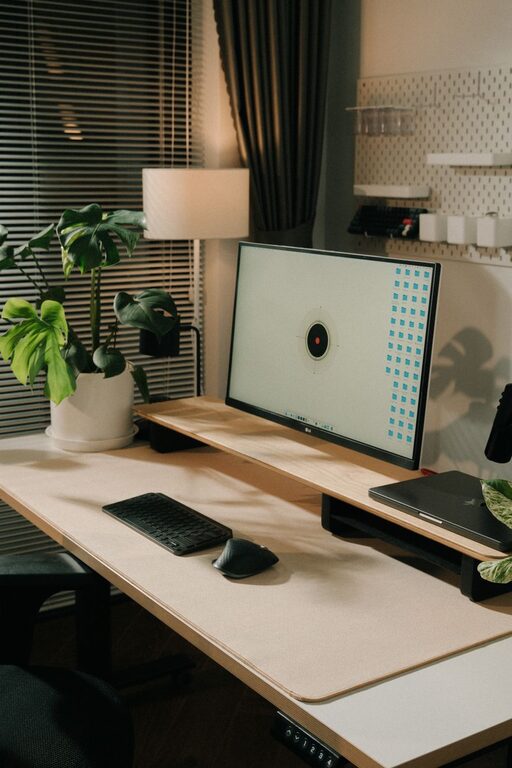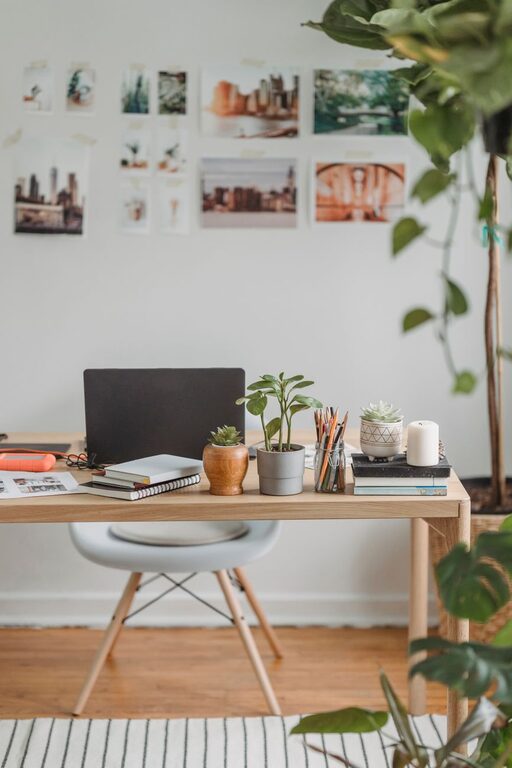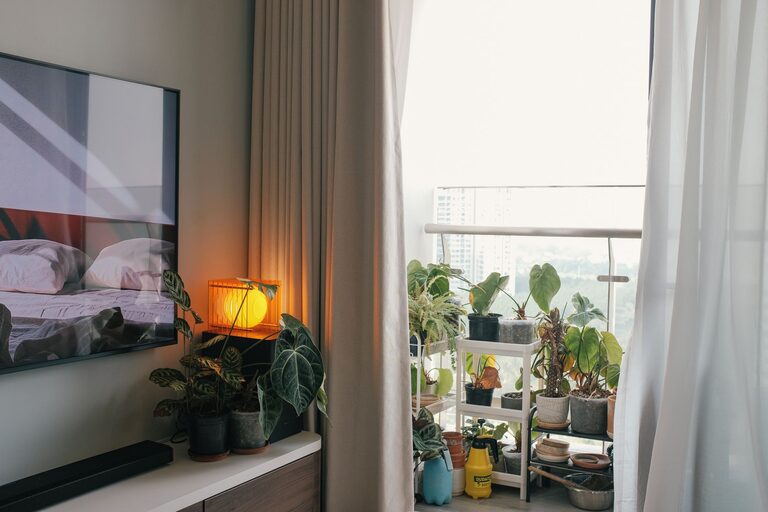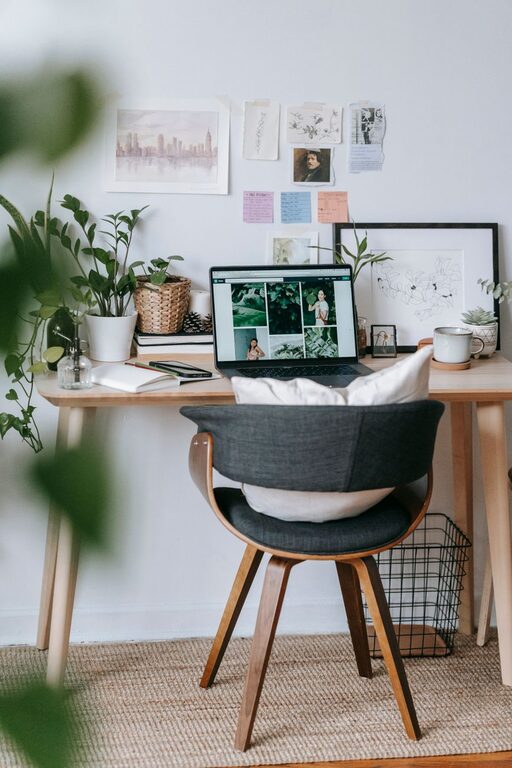
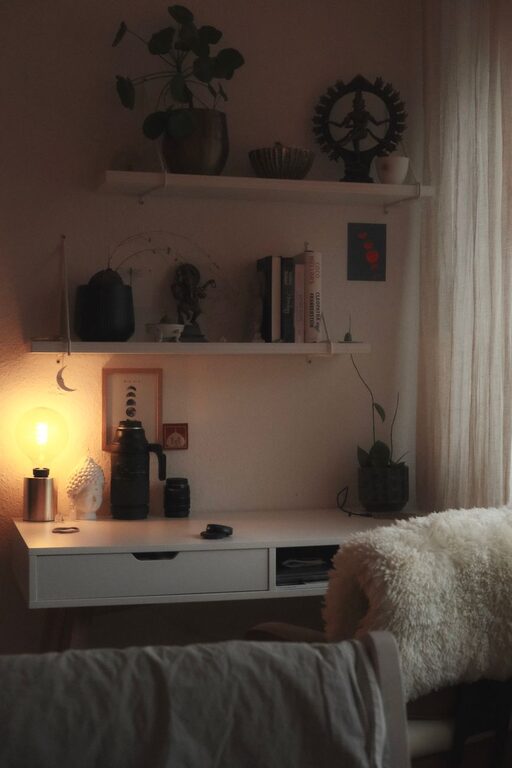
Creating a relaxing home workspace is essential for maintaining focus, reducing stress, and improving overall productivity. Whether you work remotely full-time or occasionally, having a calming and comfortable setup can make a significant difference in your day-to-day experience. In this post, we’ll explore practical tips and ideas to help you design a workspace that feels inviting, organized, and relaxing.
Why a Relaxing Workspace Matters
A home workspace should be more than just a spot to place your computer. It’s a place where you spend several hours a day, so it’s important that it supports your mental well-being and helps minimize distractions and tension. A peaceful environment encourages productivity, creativity, and job satisfaction.
—
1. Choose the Right Location
Selecting the best spot for your home office is the first step. Ideally, pick a location with these qualities:
– Natural Light: Near a window to take advantage of daylight, which can boost mood and energy.
– Quiet Atmosphere: Away from noisy areas or high-traffic rooms to minimize interruptions.
– Adequate Space: Enough room for your desk, chair, and any tools or materials you need.
– Privacy: If possible, a separate room or a corner with some privacy helps with concentration.
If space is limited, consider creating a dedicated nook that feels distinct from your living areas.
—
2. Invest in Comfortable and Supportive Furniture
Comfort plays a huge role in how relaxed you feel while working.
– Ergonomic Chair: A chair that supports your back and promotes good posture can prevent discomfort and fatigue.
– Desk at Proper Height: Your desk should allow you to type and write comfortably, ideally with enough surface area for your essentials.
– Adjustable Equipment: Items like monitor stands or keyboard trays help you customize your setup for better comfort.
Remember, spending a little extra upfront for quality furniture can pay off in health and productivity benefits.
—
3. Use Soothing Colors and Decor
Colors have a subtle but powerful impact on your mood and focus. When choosing your workspace colors, consider shades known to promote relaxation:
– Soft Blues and Greens: These colors create a calm, tranquil atmosphere.
– Neutral Tones: Whites, beiges, and light greys provide a clean and uncluttered backdrop.
– Personal Touches: Add artwork, plants, or decor items that inspire you without overwhelming the space.
Avoid overly bright or harsh colors that might cause visual strain or nervousness.
—
4. Keep Your Workspace Organized
An organized workspace reduces stress and makes it easier to find what you need. Try these tips:
– Declutter Regularly: Keep only necessities on your desk and store other items away.
– Use Storage Solutions: Drawers, shelves, and organizers can keep papers and office supplies tidy.
– Cable Management: Use clips or sleeves to keep cords neat and out of sight.
– Digital Organization: Clean your computer desktop and organize files to avoid digital clutter.
A tidy space is more inviting and helps maintain focus on work.
—
5. Incorporate Natural Elements
Bringing nature into your workspace can create a soothing environment.
– Indoor Plants: Low-maintenance plants like succulents or pothos improve air quality and add a calming green touch.
– Natural Materials: Wood desks or accessories can add warmth and texture.
– Natural Light and Fresh Air: Open windows when possible to refresh the air and light in the room.
These elements help create a connection to the outdoors, which can refresh your mind during work hours.
—
6. Manage Lighting Effectively
Good lighting is crucial for comfort and productivity.
– Task Lighting: A desk lamp with adjustable brightness helps reduce eye strain.
– Avoid Glare: Position your screen and light sources to minimize reflections.
– Soft Ambient Lighting: Overhead or wall lights with dimmers allow you to control the mood.
– Use Timers or Smart Lights: Automating your lighting can create a natural rhythm and reduce light-related stress.
Well-planned lighting supports both focus and relaxation.
—
7. Create a Personal Relaxation Zone
Designate a small area or corner for breaks to help your mind recharge.
– Comfortable Seating: A cozy chair or cushion for stretching or reading.
– Calming Items: Include a diffuser with essential oils, a small water fountain, or relaxing music.
– Mindfulness Tools: Consider options like a stress ball, journal, or meditation guide.
Having a space to pause encourages regular breaks, which enhance your well-being and work performance.
—
8. Limit Distractions
To maintain a relaxing atmosphere, reduce possible distractions:
– Turn Off Unnecessary Notifications: Silence non-essential apps and devices.
– Use Headphones: Noise-canceling headphones help block external sounds.
– Set Boundaries: Communicate workspace hours to family or housemates to minimize interruptions.
– Organize Workflow: Plan your tasks in advance to maintain focus during work periods.
Limiting disruptions lets you work more calmly and efficiently.
—
9. Keep Hydrated and Nourished Nearby
Staying hydrated and nourished supports mental clarity.
– Water Bottle or Carafe: Keep water within arm’s reach as a reminder to drink.
– Healthy Snacks: Store nutritious options nearby to avoid distractions when hunger strikes.
– Avoid Clutter: Use an attractive tray or container to keep these items tidy.
Small habits like these contribute to a healthy, relaxed workday.
—
Final Thoughts
Creating a relaxing home workspace doesn’t require a major renovation — small changes can make a big difference. Focus on comfort, natural elements, organization, and lighting to design a space that helps you feel calm and ready to tackle your tasks. As you experiment with what works best, your personal sanctuary for work will evolve into a place you genuinely enjoy spending time in.
Invest some time now, and you’ll benefit from a more peaceful, productive work-from-home experience. Happy decorating!
About the Author