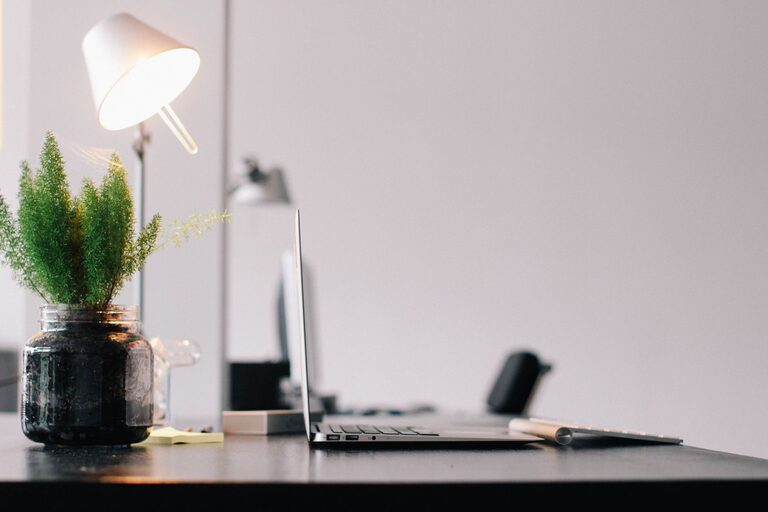
Creating a home workspace that fosters creativity and focus is essential for anyone working or studying from home. With the right setup, you can boost your productivity, stay motivated, and feel more comfortable during long hours of work. Whether you have a dedicated room or a small corner, these tips will help you transform your space into a productive haven.
Choose the Right Location
Your workspace location sets the tone for your workday. Ideally, select a spot that is quiet, well-lit, and separate from distractions.
– Natural Light: Position your desk near a window if possible. Natural light improves mood and alertness.
– Low Traffic Area: Choose a place away from noisy household activity.
– Comfortable Temperature: Ensure the space is neither too hot nor cold to maintain focus.
Invest in Ergonomic Furniture
Comfortable furniture supports longer periods of work without physical strain.
– Adjustable Chair: Use a chair that supports good posture and allows for height adjustment.
– Desk Height: Your desk should position your arms at a 90-degree angle when typing.
– Standing Options: Consider a sit-stand desk or setup to alternate between sitting and standing.
Organize Your Workspace for Efficiency
Clutter can be distracting and reduce creativity. Keeping your workspace organized helps maintain focus.
– Declutter Regularly: Remove unnecessary items daily.
– Use Storage Solutions: Shelves, drawers, and boxes help keep supplies tidy.
– Keep Essentials Handy: Only keep tools and materials you use frequently within reach.
Personalize Your Space to Inspire Creativity
Adding personal touches can make your workspace inviting and stimulate ideas.
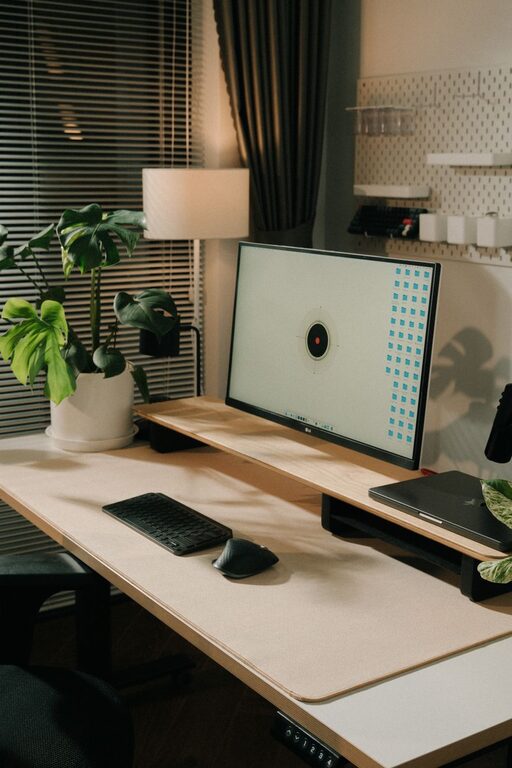
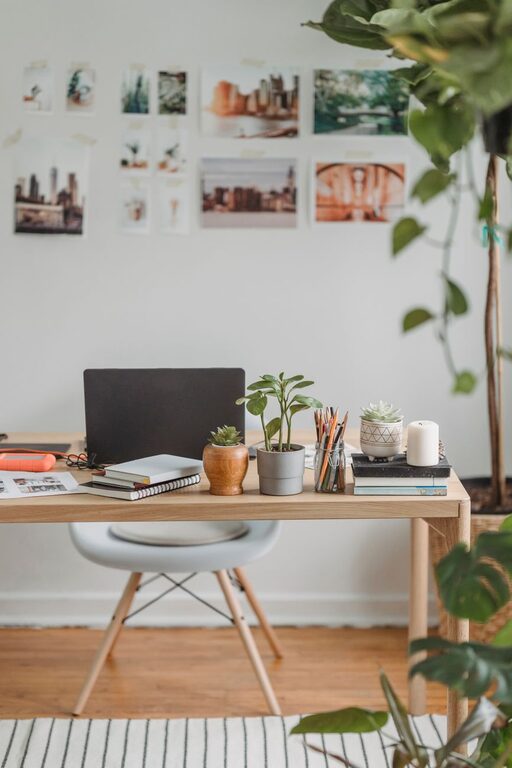
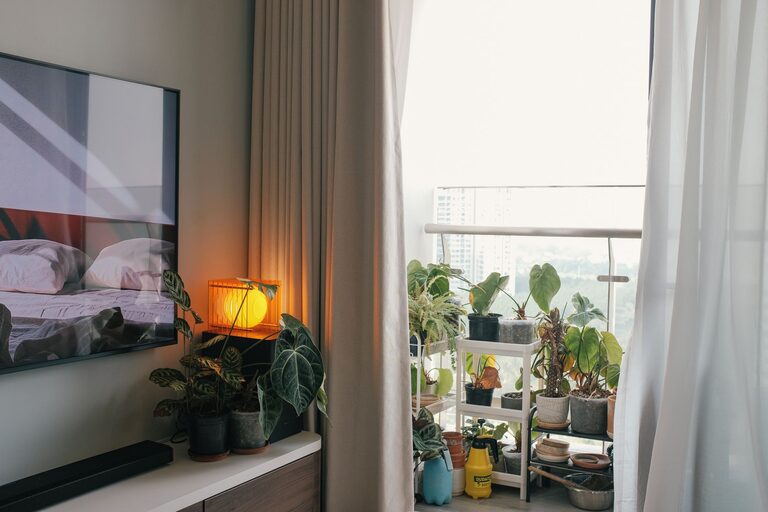
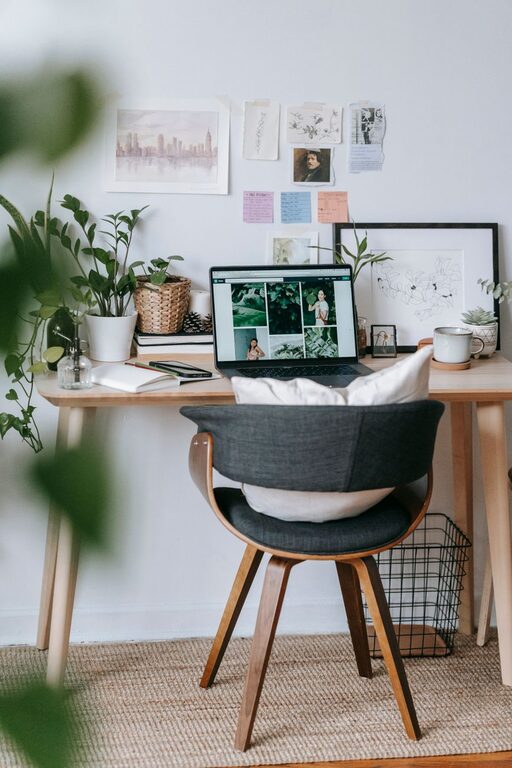
– Incorporate Plants: Greenery can improve air quality and provide a calming effect.
– Add Artwork or Photos: Visual art or family pictures can boost mood.
– Use Color Wisely: Choose colors that energize or soothe you, depending on your preferences.
Control Lighting for Comfort and Focus
Lighting affects visual comfort and concentration.
– Avoid Glare: Position screens to reduce glare from windows or lights.
– Task Lighting: Use adjustable desk lamps for focused work.
– Warm vs. Cool Light: Cool white light supports alertness, while warm light creates calm—use according to your tasks.
Minimize Digital Distractions
Technology is essential but can also be a source of distraction.
– Manage Notifications: Use “Do Not Disturb” modes during focused work sessions.
– Use Productivity Apps: Tools like timers or task managers can keep you on track.
– Keep Devices Organized: Store cables and peripherals neatly to avoid mess.
Incorporate Movement and Break Areas
Taking breaks and moving around can refresh your mind and enhance creativity.
– Designate a Break Spot: Have a separate chair or small area for relaxation.
– Stretch Regularly: Set reminders to stand, stretch, or walk briefly every hour.
– Exercise Equipment: Consider a yoga mat or light weights near your workspace for quick activities.
Set Boundaries with Others
Clear boundaries help maintain your focus and productivity.
– Communicate Schedules: Let family or housemates know your work hours.
– Use Visual Cues: A closed door or a “Do Not Disturb” sign can signal you’re working.
– Create Rituals: Develop start and end-of-day routines that signal work time.
Maintain a Clean and Inviting Environment
A clean workspace reduces stress and invites creativity.
– Daily Tidying: Spend a few minutes each day cleaning your desk.
– Air Quality: Open windows regularly or use an air purifier.
– Comfort Items: Include items like a cozy blanket or music player to create a pleasant atmosphere.
Final Thoughts
Designing a productive home workspace is not just about furniture and gadgets; it’s about cultivating an environment tailored to your needs. By choosing the right location, organizing efficiently, personalizing your area, and managing distractions, you set yourself up for success. Remember, a workspace that feels good will boost both creativity and focus, making your work-from-home experience more enjoyable and effective.
About the Author